Top 10 Deadly Houseplants Every Cat Owner Should Avoid
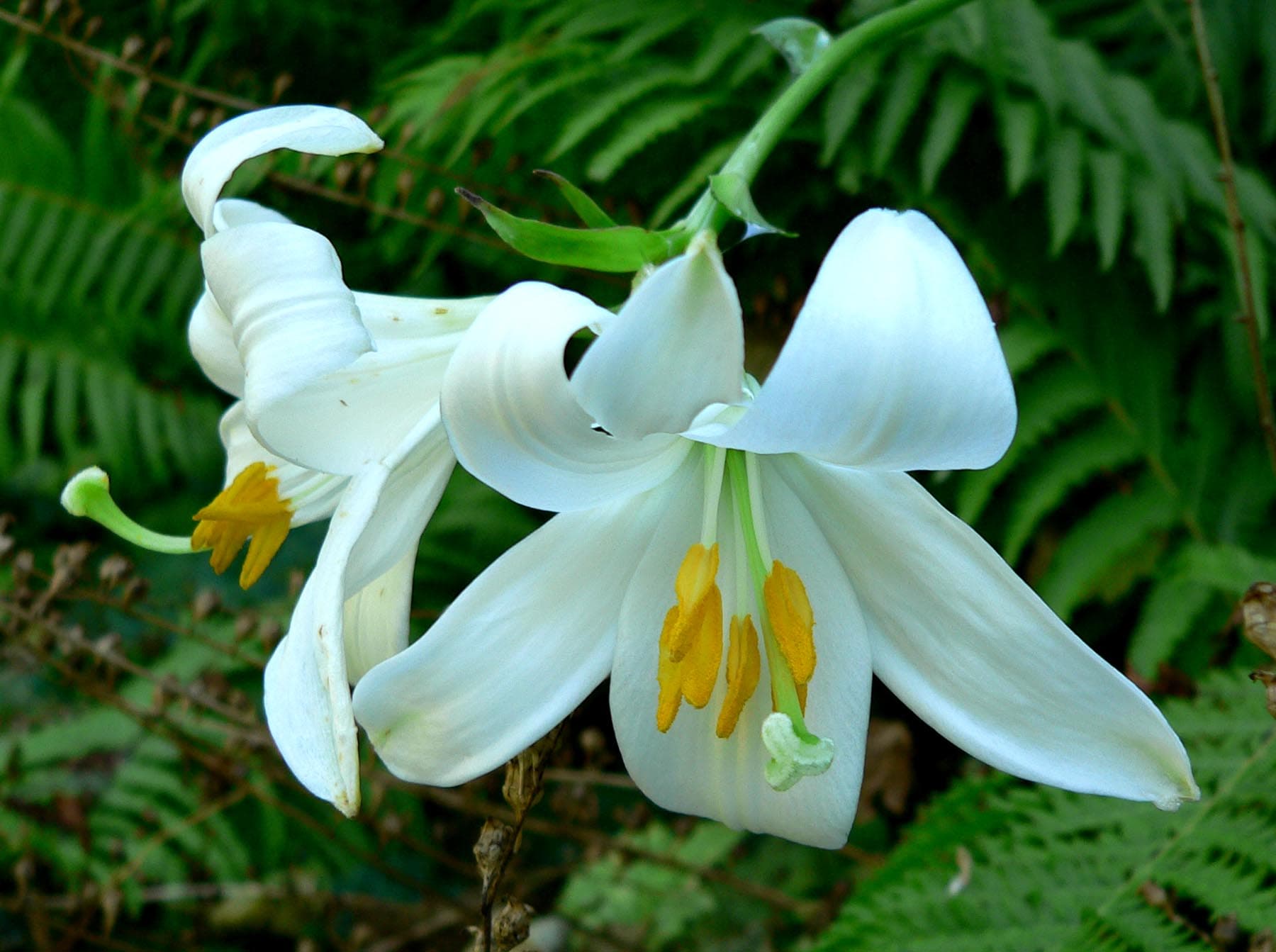
Houseplants add life to your home, but for cat owners, choosing the wrong one can lead to tragedy. According to the ASPCA Animal Poison Control Center, plant ingestions are among the top toxins reported for pets annually. While many plants cause mild upset, a few are truly deadly.
Here are the top 10 most dangerous houseplants that every cat owner needs to avoid.
1. Lilies (True Lilies and Daylilies)
Severe ToxicityPerhaps the most dangerous plant for cats. Every part of the Lily is toxic. Even getting pollen on their fur and grooming it off can cause acute kidney failure.
Check Lily safety details →2. Sago Palm
Severe ToxicityPopular in landscaping and as a houseplant, the Sago Palm is incredibly toxic. Ingesting just a few seeds can be fatal due to liver failure.
Check Sago Palm safety details →3. Oleander
Severe ToxicityContains dangerous cardiac glycosides. Oleander affects the heart and can cause death very quickly.
Check Oleander safety details →4. Dieffenbachia (Dumb Cane)
Moderate ToxicityWhile rarely fatal, Dieffenbachia causes intense oral pain and swelling. Similar to Pothos, it contains calcium oxalates which can cause airway obstruction in severe cases.
Check Dieffenbachia safety details →5. Tulips
Severe ToxicityThe bulbs are the most toxic part of the Tulip. They can cause severe vomiting, depression, and heart issues.
Check Tulip safety details →6. Azalea / Rhododendron
Severe ToxicityIngesting Azalea leaves leads to vomiting, diarrhea, and potentially coma or cardiac failure. Even a small amount can be dangerous.
Check Azalea safety details →7. Cyclamen
Severe ToxicityAnother popular flowering plant where the tubers are highly toxic. Cyclamen ingestion can lead to heart rhythm abnormalities and seizures.
Check Cyclamen safety details →8. Kalanchoe
Moderate ToxicityThese colorful succulants affect the heart. They contain cardiac glycosides similar to Oleander but are generally considered less acutely fatal, though still dangerous.
9. Amaryllis
Severe ToxicityCommon around the holidays, Amaryllis causes vomiting, stomach pain, and tremors. The bulbs contain the highest concentration of toxins.
Check Amaryllis safety details →10. English Ivy
Moderate ToxicityWhile it looks great trailing from a shelf, English Ivy causes vomiting, abdominal pain, and hypersalivation.
Check English Ivy safety details →If you own any of these, the safest option is to gift them to a friend without cats. Prevention is always the best cure.
Suspect Poisoning? Don't wait.
If you think your cat has ingested a toxic plant, every minute counts.