Is it a "Real" Lily? How to Tell if Your Bouquet is Deadly or Cat-Safe
Peruvian Lilies are often confused with deadly True Lilies. Here is the one rule you need to know to keep your cat safe.
You’re at the florist, and you spot a beautiful bouquet. The label says "Lily," but you’ve heard lilies are deadly to cats. Do you walk away?
Not all lilies are created equal. While True Lilies (Lilium/Hemerocallis) cause fatal kidney failure, Peruvian Lilies (Alstroemeria) are significantly safer.
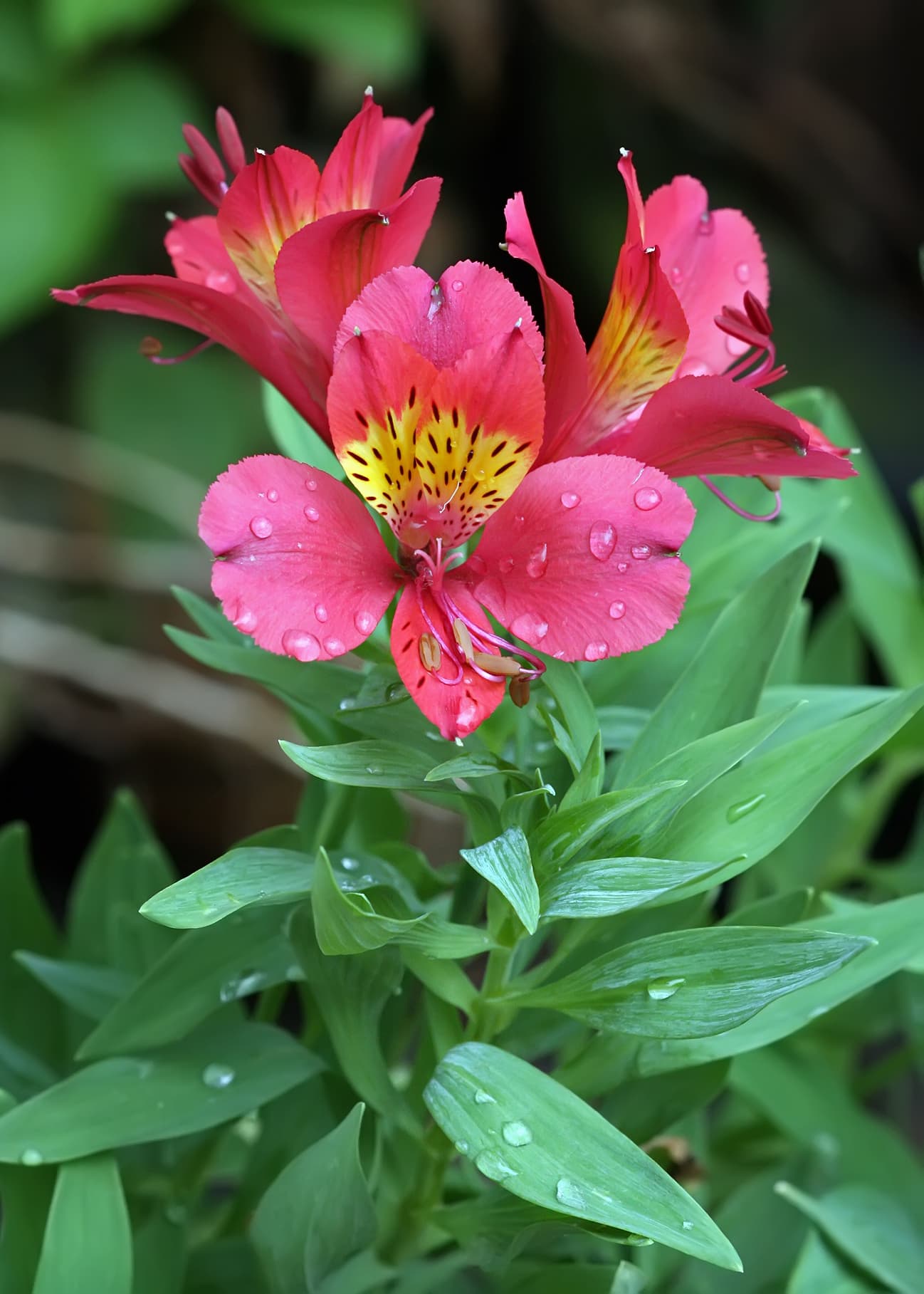
The "Tiger Stripe" Rule
The Golden Rule
If the flower has dark, maroon-colored streaks or freckles on the inner petals, it is almost certainly a Peruvian Lily (Safe-ish).
Peruvian Lilies come in many colors—white, red, pink, orange, purple—but they almost always share this one trait: those distinctive little dashes or freckles on the petals. True lilies, like Easter Lilies, usually have solid-colored, waxy trumpets without these intricate markings.
Side-by-Side Comparison
True Lilies
- Flower:Large, trumpet-shaped, solid colors. Waxy texture.
- Pollen:Massive, prominent anthers loaded with orange/yellow dust.
- Leaves:Grow directly from the main stem in whorls or spirals.
- Toxicity:FATAL ☠️
Peruvian Lilies
- Flower:Smaller, lily-like appearance. Striped/freckled inner petals.
- Pollen:Small anthers, much less prominent.
- Leaves:Funny twist at the base where they meet the stem.
- Toxicity:MILD IRRITANT
Actionable Advice
When performing a "safety check" at the grocery store or florist:
- Look for the stripes. If you see the maroon dashes, breathe a sigh of relief. It's likely an Alstroemeria.
- Check the pollen. If the flower has giant, dusty orange hammers swinging from the center, put it back. Those are true lily anthers.
- Read the label closely. "Lily of the Incas" or "Princess Lily" are old names for the safe Peruvian Lily.
Still Unsure?
If you can't tell 100%, don't buy it. It's not worth the risk. A safe bouquet is a happy bouquet.